Skip to content
Vietnam

Vietnam

A country of dramatic landscapes, ancient culture and irresistible cuisine, stretching over 1,600 kilometres along the South China Sea.

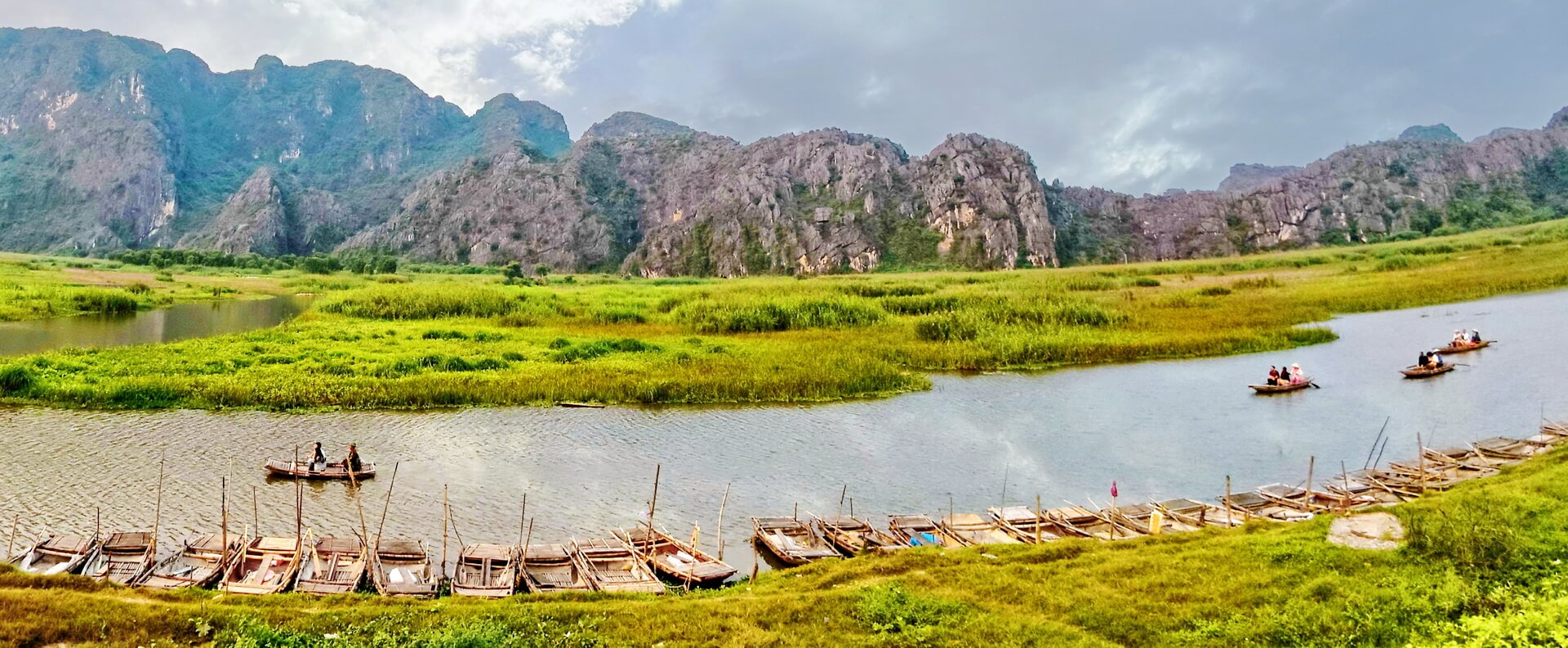
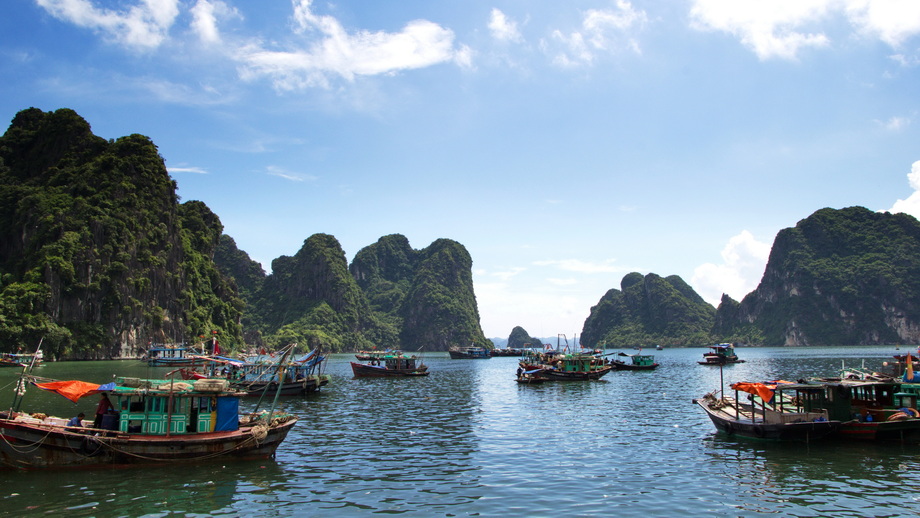
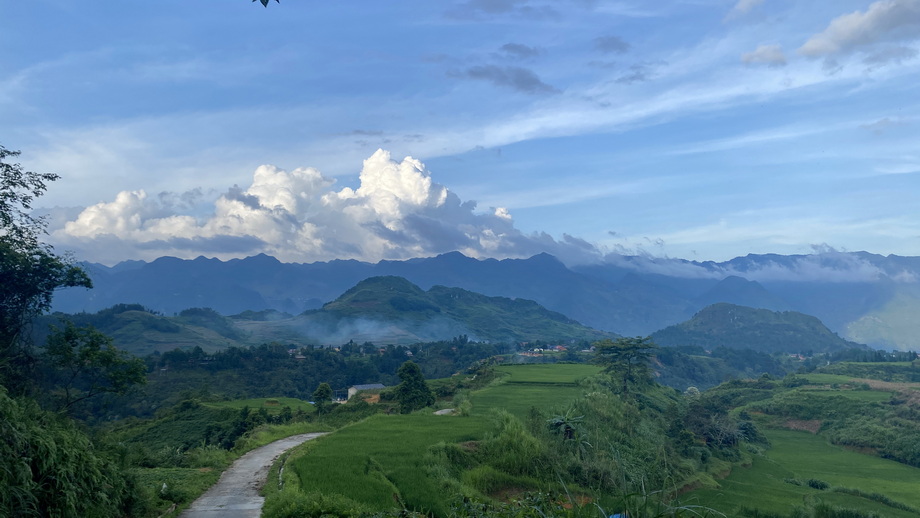
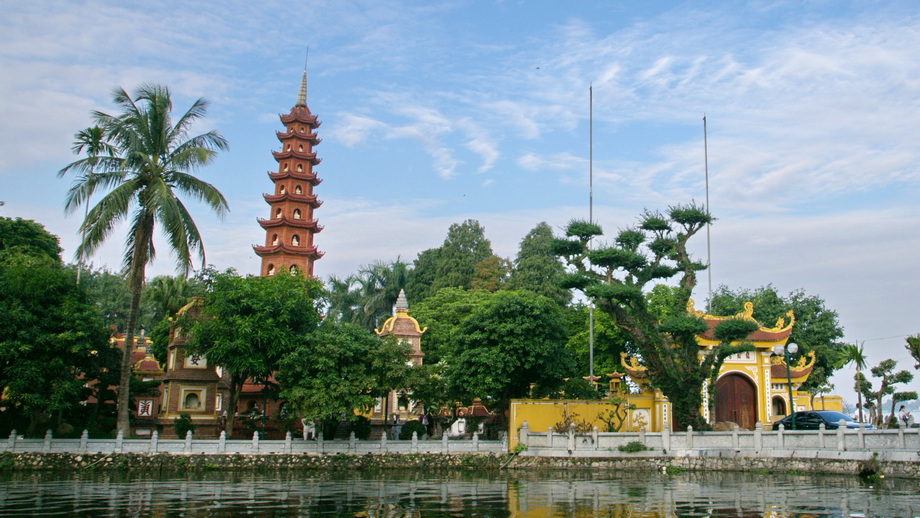
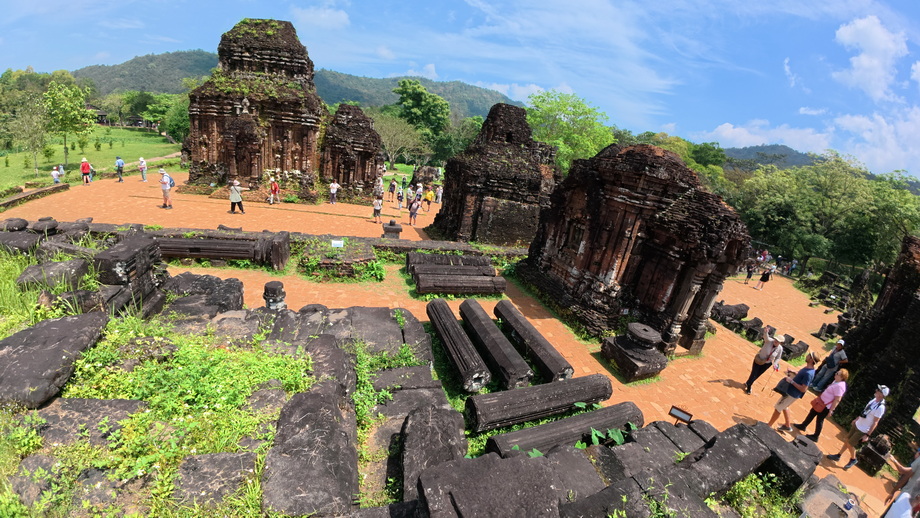
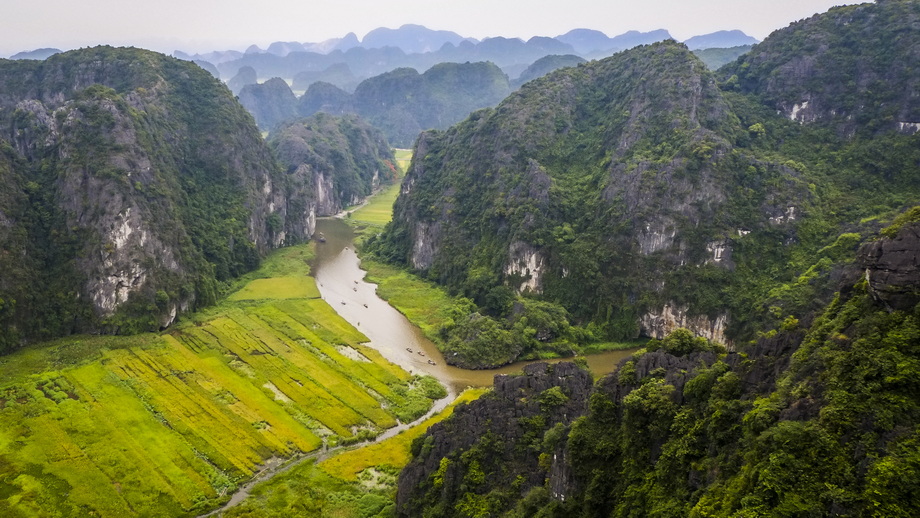
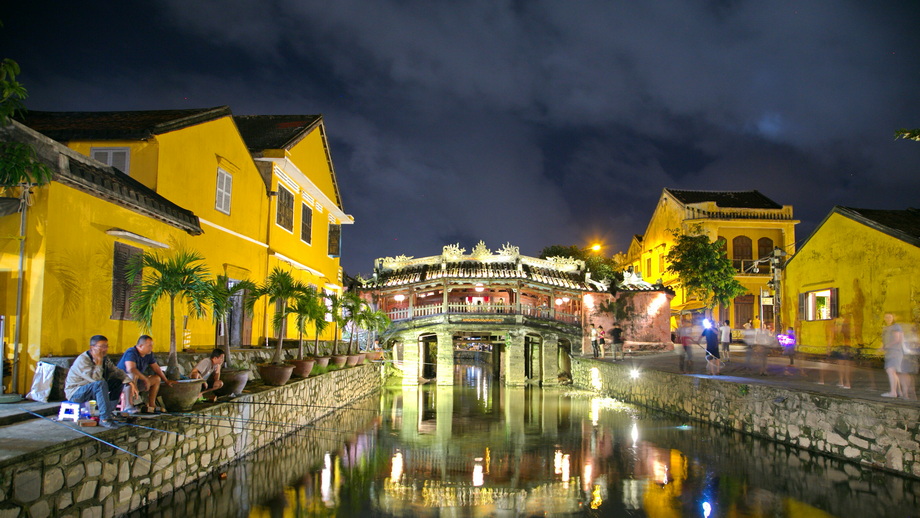
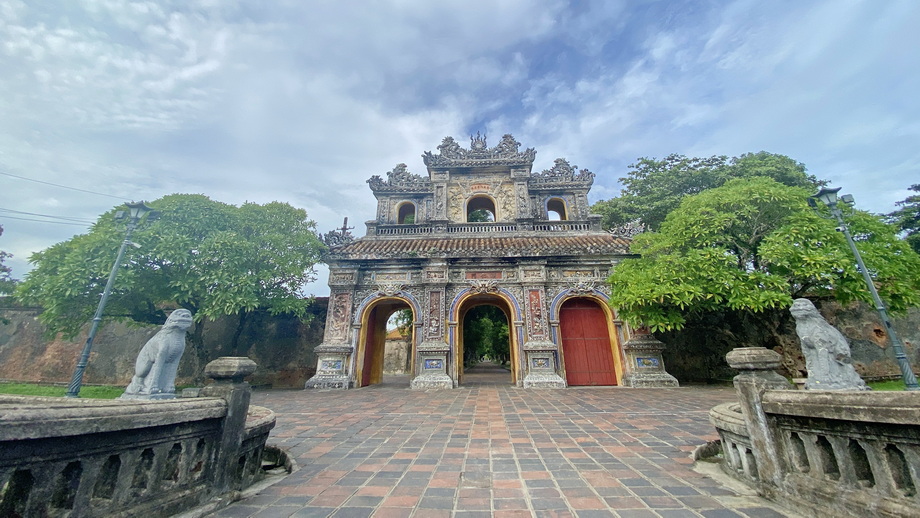
Vietnam’s elongated shape gives it three distinct climates and an extraordinary range of scenery within a single trip. In the north, travellers are drawn to Hanoi’s atmospheric Old Quarter, the towering limestone karsts of UNESCO-listed Ha Long Bay, and the emerald rice terraces surrounding the hill town of Sapa. Central Vietnam is home to the lantern-lit ancient town of Hoi An, the imperial city of Hue, sun-drenched beaches around Da Nang, and Son Doong, the largest cave on earth. In the south, Ho Chi Minh City’s energy contrasts beautifully with the slow rhythm of the Mekong Delta, where floating markets and fruit orchards line the river. Vietnam is also one of the most accessible countries in the region, with visa-free entry for many nationalities and a 90-day e-visa available to all.

Highlights for Travellers

  • Ha Long Bay’s UNESCO-listed limestone islands, best explored by overnight cruise
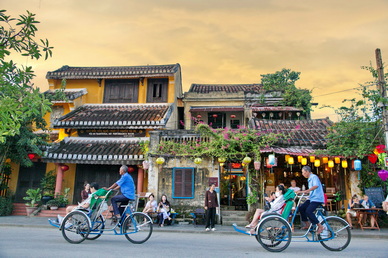
  • The ancient trading town of Hoi An, glowing with lanterns after dark
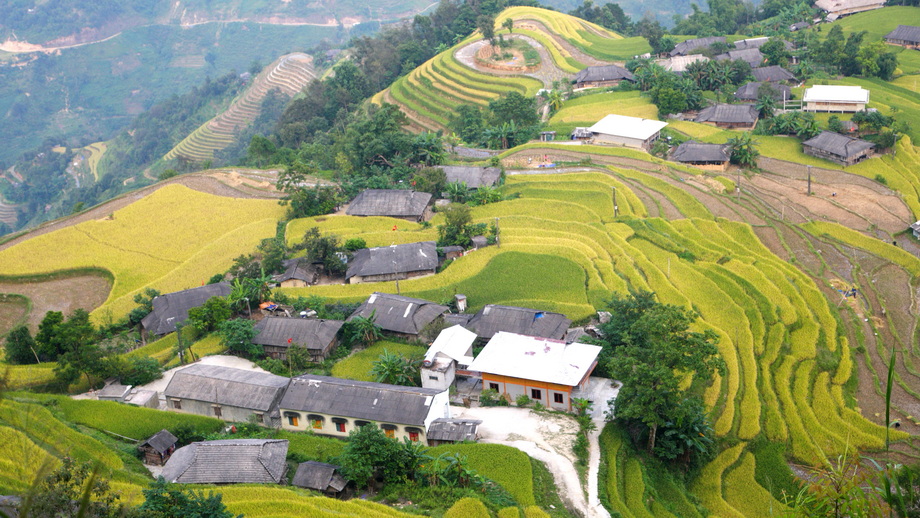
  • Sapa’s terraced rice fields and ethnic minority hill-tribe villages
  • Hue’s Imperial Citadel and Royal Tombs along the Perfume River
  • The Mekong Delta’s floating markets and orchard villages by boat
  • Son Doong Cave, the largest cave passage in the world

Need to know

Climate in Vietnam

Vietnam stretches more than 1,600 kilometres from north to south, so its climate varies considerably by region. Understanding these differences is one of the most useful things a traveller can do when choosing when and where to go.

The North — Hanoi to Hue

Winter runs from November to April, with average temperatures of 16–26°C and relatively little rainfall — pack layers, as mornings and evenings can be cool, particularly in December and January. Summer begins in May and continues through October, with temperatures reaching up to 38°C and the possibility of heavy downpours and occasional typhoons between May and mid-September.

The Centre and South — Danang to Ho Chi Minh City

Temperatures here are warm and fairly consistent year-round, typically 30–35°C, so the seasons are defined by rainfall rather than temperature. The dry season runs from November to April and the wet season from May to October. Coastal areas are most exposed to typhoons between September and November.

The Highlands

In Vietnam’s hill country — including Sapa in the far north and the Central Highlands around Da Lat and Buon Ma Thuot — evenings stay cool throughout the year. Between October and March, night-time temperatures can drop as low as 4°C, so a warm layer is essential even outside the winter months.

Best Time to Travel
  • Peak season for the best all-round weather: March, October, November and December.
  • Shoulder season, with fewer crowds and good value: January and February.
  • Best value for money, with occasional rain showers: May, June, July, August and September.
  • Planning a beach holiday? Vietnam’s coastline is long enough that somewhere along it is enjoying good beach weather at any time of year, so a beach-focused trip can be booked in any month.
Business Hours and Public Holidays

Standard Business Hours

  • Morning: 08:00 – 11:30
  • Afternoon: 13:00 – 16:30
  • Most government offices are closed on Saturdays and Sundays.
  • Time zone: GMT +7

Public Holidays

Vietnam observes the following public holidays. Dates for lunar holidays shift each year, so we always confirm exact dates with clients closer to their travel date.

  • International New Year’s Day — 1 January (1 day)
  • Hung Kings’ Commemoration Day — the 10th day of the third lunar month, usually mid-April (1 day)
  • Reunification Day — 30 April, typically combined with Labour Day into a multi-day holiday
  • International Labour Day — 1 May
  • National Day — 2 September, now typically extended into a longer national holiday period
  • Vietnam Culture Day — 24 November
  • Lunar New Year (Tet) — falls between late January and mid-February depending on the lunar calendar, with around a week of national holiday. This is Vietnam’s most important traditional festival: many tourist-oriented restaurants close, while temples and pagodas become wonderfully lively. We recommend basing yourself in Hanoi to experience the evening festivities.
Visa to Vietnam

Most travellers can enter Vietnam using either an e-visa arranged online in advance, or a visa-on-arrival approval letter that we can arrange on your behalf. Citizens of a number of countries may also enter visa-free for short stays. Requirements do change from time to time, so we recommend confirming your specific requirements with our team or via the official channels below before booking flights.

Visa Exemptions

Vietnam currently grants visa-free entry to citizens of the following countries, with the permitted length of stay shown below:

Length of Stay Nationalities
90 days Chile, Panama
45 days United Kingdom, France, Germany, Italy, Spain, Belgium, Netherlands, Luxembourg, Russia, Japan, South Korea, Denmark, Norway, Finland, Sweden, Switzerland, Poland, Czech Republic, Bulgaria, Croatia, Hungary, Romania, Slovakia, Slovenia, Kazakhstan
30 days Cambodia, Indonesia, Laos, Malaysia, Myanmar, Singapore, Thailand, Belarus, Kyrgyzstan
21 days Philippines
14 days Brunei

Policy correct at time of writing; please check with our team for the latest position for your nationality.

E-Visa

Travellers who are not on the exemption list can apply for Vietnam’s e-visa online at evisa.gov.vn. The e-visa currently allows a stay of up to 90 days with multiple entries, costs US$25 per person, and is typically processed within 3–5 working days.

Visa Approval Letter (Visa on Arrival)

As an alternative to the e-visa, we can arrange a visa approval letter that allows you to collect your visa stamp on arrival at a Vietnamese international airport. To apply, we will need:

  • A copy of your passport (valid for at least 6 months beyond your arrival date)
  • Your round-trip flight tickets to Hanoi, Ho Chi Minh City or Danang
  • Confirmation of your booked travel services with Jewel Tours

Service fee: US$30 (or the VND equivalent), with standard processing of 5 working days — faster processing is available on request. Stamping fee on arrival: US$25 in cash, plus one 4x6cm passport-style photo. Fees vary slightly by nationality.

Entry Points

Vietnam’s e-visa and visa-on-arrival are accepted at a wide network of international airports, land borders and seaports:

By air: Noi Bai (Hanoi), Tan Son Nhat (Ho Chi Minh City), Cam Ranh (Nha Trang), Danang, Cat Bi (Hai Phong), Can Tho, Phu Quoc, Phu Bai (Hue), Van Don (Quang Ninh), Tho Xuan (Thanh Hoa), Dong Hoi (Quang Binh), Phu Cat (Quy Nhon) and Lien Khuong (Da Lat).

By land: Tây Trang (Điện Biên), Móng Cái (Quảng Ninh), Hữu Nghị (Lạng Sơn), Lào Cai, Na Mèo (Thanh Hóa), Nậm Cắn (Nghệ An), Cầu Treo (Hà Tĩnh), Cha Lo (Quảng Bình), La Lay and Lao Bảo (Quảng Trị), Bờ Y (Kon Tum), Mộc Bài and Xa Mát (Tây Ninh), Tịnh Biên and Vĩnh Xương (An Giang), and Hà Tiên (Kiên Giang).

By sea: Hòn Gai and Cẩm Phả (Quảng Ninh), Hải Phòng, Nghi Sơn (Thanh Hóa), Vũng Áng (Hà Tĩnh), Chân Mây (Thừa Thiên Huế), Đà Nẵng, Nha Trang (Khánh Hòa), Quy Nhơn (Bình Định), Dung Quất (Quảng Ngãi), Vũng Tàu, Ho Chi Minh City, and Dương Đông (Phú Quốc).


Travel Etiquette: Do's and Don'ts

Visiting Vietnam is a wonderful introduction to a culture, history and way of life quite different from your own. A little local knowledge goes a long way — here is what our guides most often share with travellers before they set off.

Good to Know

  • Avoid drinking tap water, particularly after heavy rain. Stick to sealed bottled water, which is available everywhere.
  • Dress modestly when visiting temples, pagodas and private homes, or when taking part in local cultural activities.
  • Leave valuables at your hotel when heading out at night or to the beach.
  • When crossing the road — especially in Ho Chi Minh City — walk at a steady, predictable pace and stay alert to traffic on both sides.
  • If you wish to support disadvantaged communities, donating to a reputable local charity is more effective than giving cash directly; small gifts such as pens or notebooks are a thoughtful alternative for children in minority villages.
  • Try the local street food at least once — it is some of the best in Asia.
  • Always ask permission before photographing local people, particularly in ethnic minority areas. Most are happy to say yes, but appreciate being asked.
  • Carry the equivalent of around US$100 in local currency (Vietnamese dong), which can be exchanged at your hotel or a bank.
  • Take care with cyclos (rickshaws) at night, and agree the price in advance.
  • When taking a taxi, use a reputable metered operator (Hanoi Taxi, Mai Linh, Vinasun) or agree the fare before you set off.
  • In the event of an insurance claim, you will need a police report along with statements from your guide and Jewel Tours, so please contact us immediately if anything goes wrong.

Not to Be Missed

  • Have an outfit made to measure by a local tailor.
  • Take a cyclo ride through the French Quarter in Ho Chi Minh City.
  • Try a bowl of pho ga (chicken noodle soup) from a street-side stall.
  • Watch a traditional water puppet performance in Hanoi.
  • Experience the lantern-lit full moon festivities in the ancient town of Hoi An.
  • Share a cup of rice wine in a northern minority village.
  • Cruise the Perfume River in Hue en route to the Royal Mausoleums.
  • Practise your bargaining at Ben Thanh Market, Ho Chi Minh City’s largest.
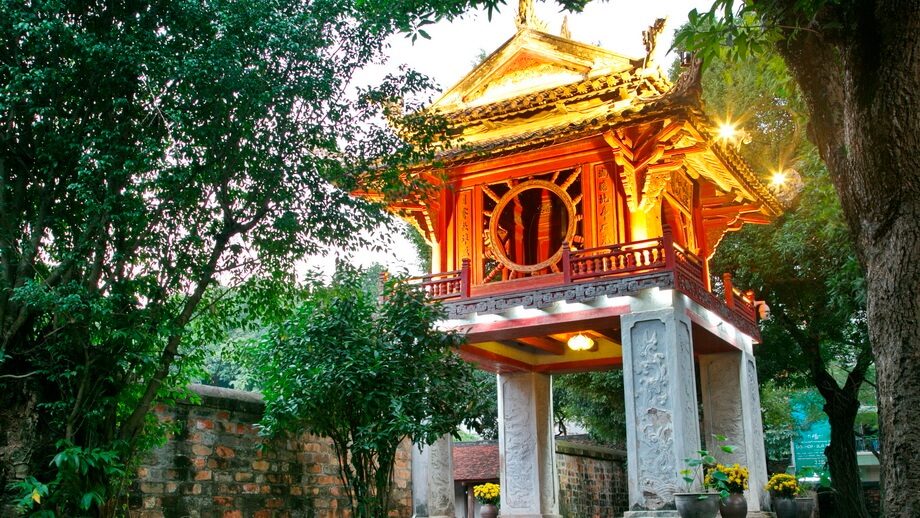
  • Wander the historic streets of Hanoi’s Old Quarter.
Tipping in Vietnam

Tipping is not compulsory in Vietnam, but it is widely practised and genuinely appreciated as a way of recognising good service. As a general guide:

Service Suggested Gratuity
Restaurants 10% of the bill, where a service charge is not already included
Hotel porter US$1 per ba
Day-boat crew US$5 per person, per excursion (some short cruises already include this)
Overnight cruise crew US$3–5 per person, per day for the crew, with an additional gesture for the captain if you wish
Large coach drive US$2 per person, per day (shared between the driver and assistant)
Minivan or car driver US$3 per person, per day
Tour guide (groups of 2–8) US$5–10 per person, per day
Tour guide (groups of 9+ US$3–7 per person, per day

Suggested Tours You May Like

Ho Chi Minh City

Demo

Ho Chi Minh City

Saigon and the Mekong Delta

Ho Chi Minh City

Saigon and the Mekong Delta with Overnight River Cruise

Hanoi

Hanoi, Thong Nguyen, Bac Ha, Sapa and Ha Long Bay

Hanoi

Hanoi, Ba Be, Bao Lac, Dong Van, Ha Giang and Ha Long Bay

Hanoi

Hanoi, Ba Be, Cao Bang, Ban Gioc, Lang Son and Ha Long Bay

Hanoi

Hanoi, Yen Bai, Mu Cang Chai, Sapa and Ha Long Bay

Hanoi

Hanoi, Thong Nguyen, Bac Ha, Sapa, Ha Long, Phong Nha, Saigon, Mekong and Siem Reap

Hanoi

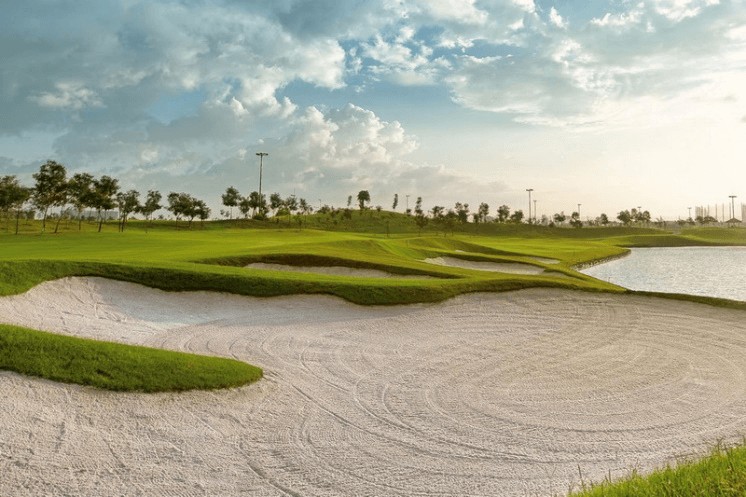
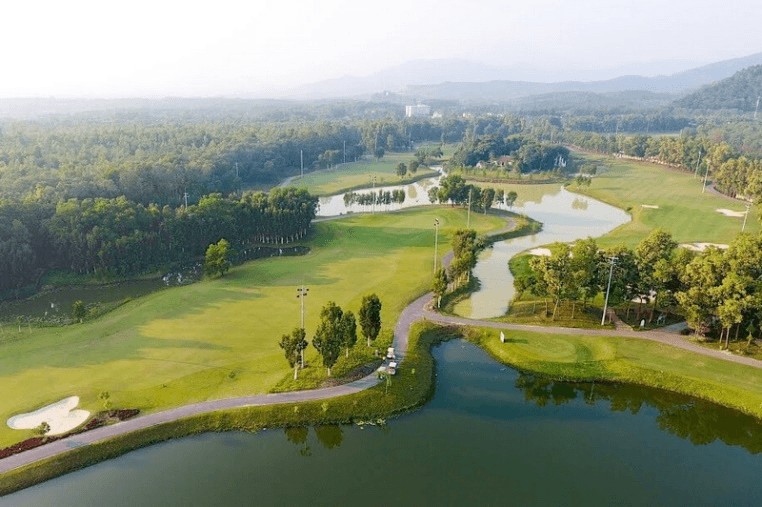
Hanoi Golf Break – Customized Golf Tour Package

Hanoi

Hanoi Golf Break – Customized Golf Tour Package demo 1

Hanoi

Hanoi Golf Break – Customized Golf Tour Package demo 2

Hanoi

Hanoi Golf Break – Customized Golf Tour Package demo 3

Hanoi

Hanoi Golf Break – Customized Golf Tour Package demo 4

Hanoi

Hanoi Golf Break – Customized Golf Tour Package demo 5

Ho Chi Minh City

Vietnam Exploration: Phong Nha & the DMZ

Ho Chi Minh City

Vietnam Exploration: Phong Nha & the DMZ demo 1

Ho Chi Minh City

Vietnam Exploration: Phong Nha & the DMZ demo 2

Ho Chi Minh City

Vietnam Exploration: Phong Nha & the DMZ demo 3

Ho Chi Minh City

Vietnam Exploration: Phong Nha & the DMZ demo 4

Ho Chi Minh City

Vietnam Exploration: Phong Nha & the DMZ demo 5

Other destinations

Cambodia

Home to the magnificent Angkor temples and the enduring spirit of the Khmer people.

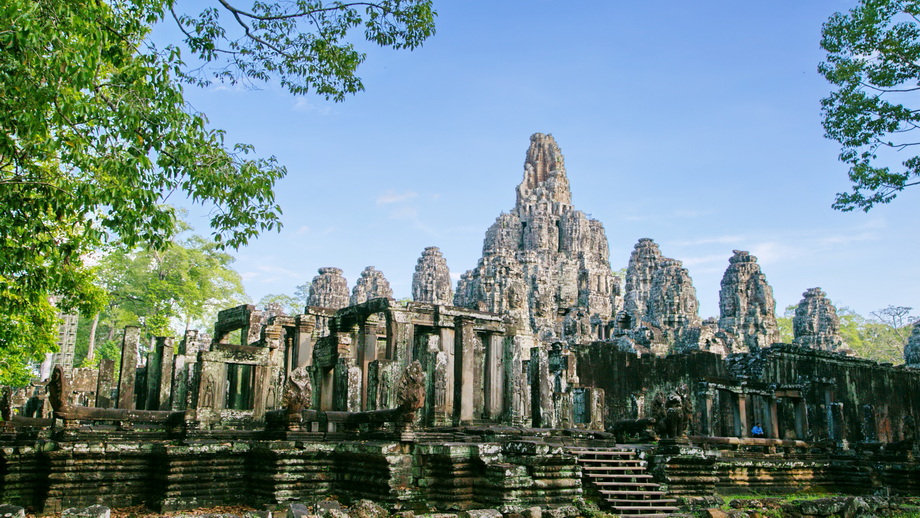
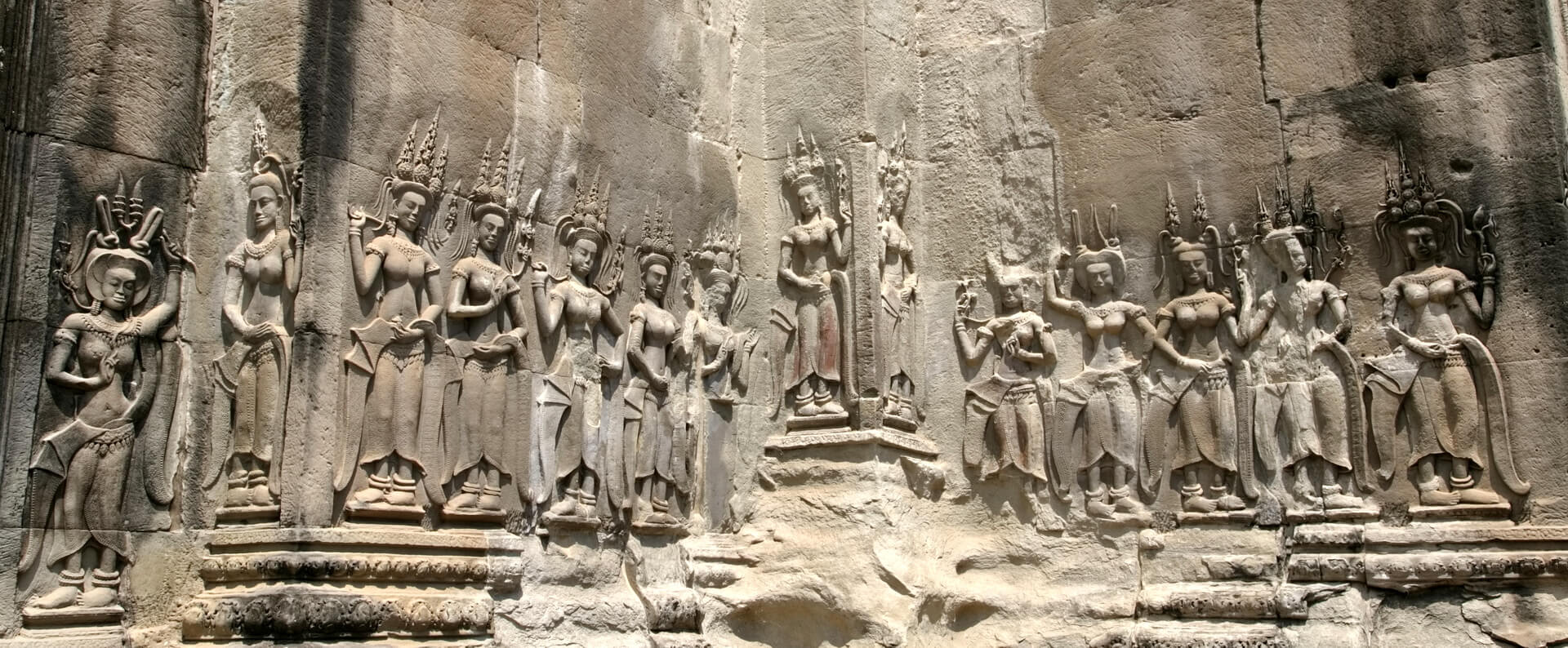
Cambodia’s long and storied history has left behind one of the world’s greatest architectural treasures: the temples of Angkor, crowned by the incomparable Angkor Wat. Beyond Siem Reap’s temple complexes, the riverside capital Phnom Penh offers a fascinating mix of French colonial architecture, the glittering Royal Palace and Silver Pagoda, and a moving, important history. Along the coast, Sihanoukville and the nearby islands of Koh Rong offer white-sand beaches and clear water, while Tonle Sap Lake’s floating villages and the rolling hills of Ratanakiri and Mondulkiri provide a window into rural and ethnic minority life. With warm hospitality, excellent-value travel, and a huge variety of experiences packed into a compact country, Cambodia rewards travellers who venture beyond its most famous temple.

Highlights for Travellers

  • Angkor Wat and the wider Angkor Archaeological Park at sunrise
  • Phnom Penh’s Royal Palace, Silver Pagoda and riverside promenade
  • The floating villages and bird sanctuaries of Tonle Sap Lake
  • White-sand beaches and island-hopping around Sihanoukville and Koh Rong
  • Community-based eco-tourism and wildlife trekking in Ratanakiri and Mondulkiri
  • Traditional Apsara dance performances and authentic Khmer cuisine
Laos

A serene, unhurried country of Buddhist heritage, mighty rivers and untouched natural beauty.

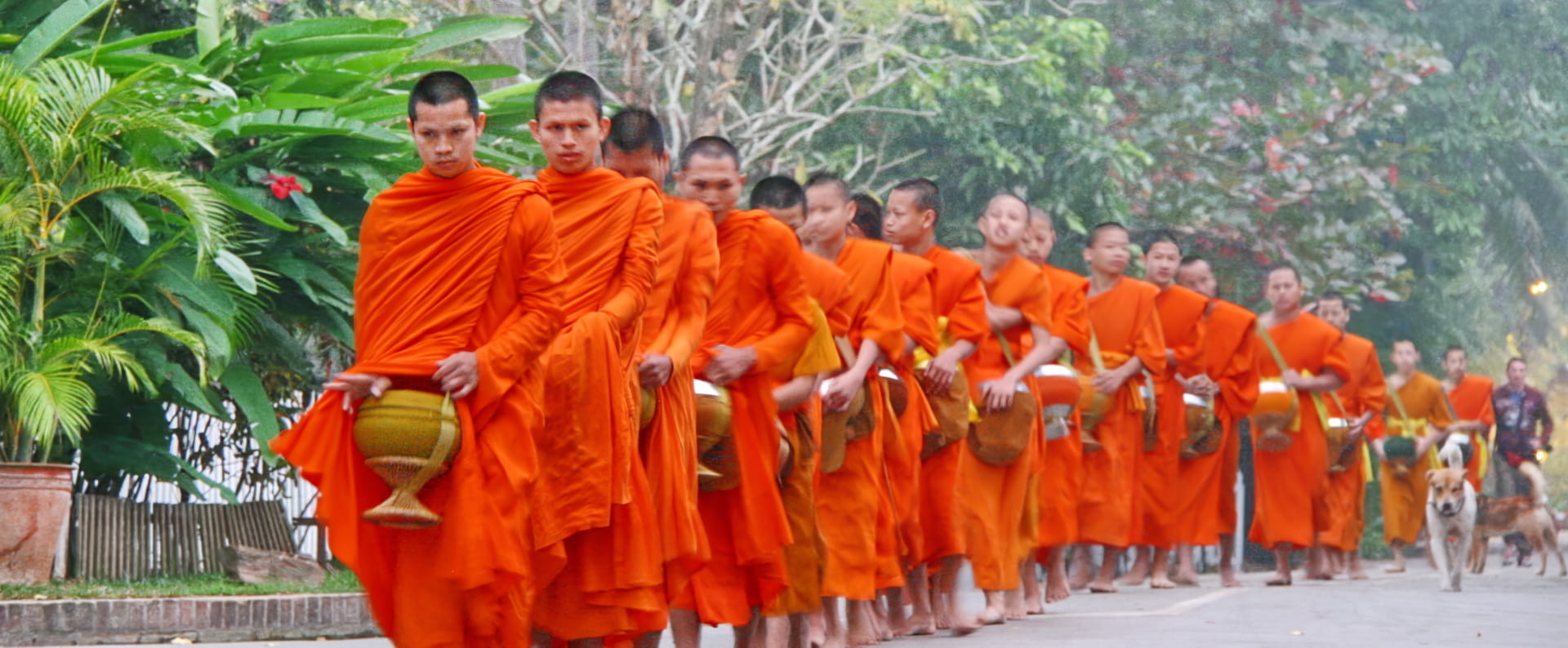
Landlocked and comparatively little-visited, Laos remains one of Southeast Asia’s most authentic destinations. Its history traces back to the 14th-century kingdom of Lan Xang, the ‘Land of a Million Elephants’, and that heritage is still visible in the UNESCO-listed royal capital of Luang Prabang, where saffron-robed monks collect morning alms along streets lined with French colonial villas and gilded temples. Further north, the mysterious Plain of Jars scatters thousands-year-old stone megaliths across the Xieng Khouang plateau, while the capital Vientiane offers a laid-back introduction to Lao culture. In the south, the Bolaven Plateau’s waterfalls and coffee plantations and the river islands of Si Phan Don reward travellers seeking a slower pace. Add a cuisine built around sticky rice, fresh herbs and Mekong River fish, and Laos offers a gentle, deeply rewarding contrast to its livelier neighbours.

Highlights for Travellers

  • Luang Prabang’s UNESCO-listed temples and the daily alms-giving ceremony
  • The mysterious ancient megaliths of the Plain of Jars
  • Kuang Si Falls’ turquoise cascades near Luang Prabang
  • The riverside capital Vientiane, with its blend of Lao and French heritage
  • Waterfalls and coffee plantations of the Bolaven Plateau
  • The tranquil river islands of Si Phan Don (4,000 Islands) in the far south
Thailand

The ‘Land of Smiles’ — a vivid mix of golden temples, tropical islands and warm hospitality.

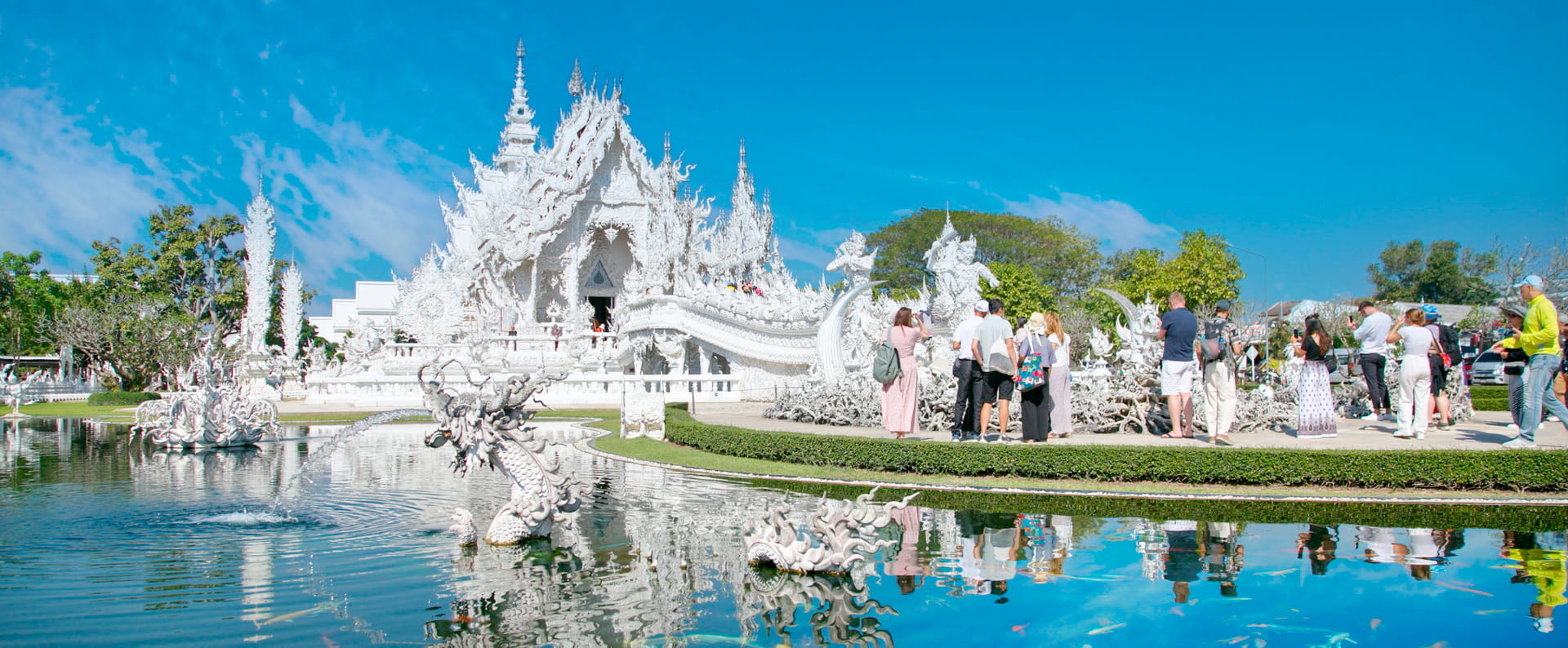
Thailand pairs some of Asia’s most dynamic cities with a coastline of postcard-perfect islands and beaches. Bangkok’s skyline of glittering temples and rooftop bars, the Grand Palace, and its legendary street food scene make it one of the world’s great city destinations, while the ancient capitals of Sukhothai and Ayutthaya reveal Thailand’s royal and religious heritage. In the north, Chiang Mai and the surrounding hills offer cooler air, hill-tribe culture, and a slower pace, while the south is home to the turquoise waters and limestone cliffs of Phuket, Krabi and Koh Samui. Thailand’s calendar is also rich with celebration, from the water festival of Songkran to the lantern-lit Loy Krathong, giving travellers year-round reasons to visit. Bordering Laos, Myanmar, Cambodia and Malaysia, Thailand sits naturally at the centre of any Indochina itinerary.

Highlights for Travellers

  • Bangkok’s Grand Palace, Wat Arun and vibrant street food scene
  • The historic temple ruins of Sukhothai and Ayutthaya
  • Chiang Mai’s temples, hill-tribe villages and cooler northern climate
  • The islands and beaches of Phuket, Krabi and Koh Samui
  • Floating markets and canal life around Bangkok and beyond
  • Colourful festivals such as Songkran and Loy Krathong
Myanmar

A land of golden pagodas, timeless traditions and landscapes still largely untouched by mass tourism.

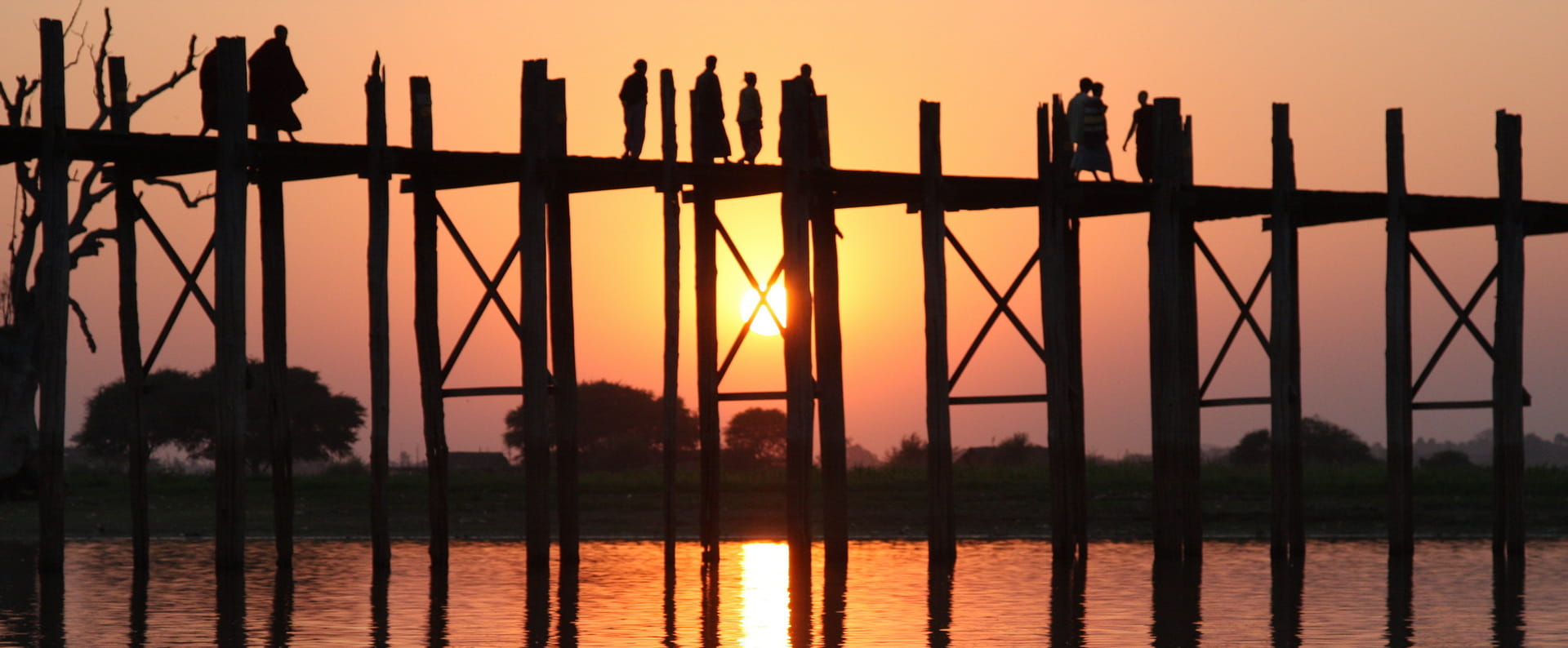
Myanmar remains one of Southeast Asia’s most captivating and least-explored destinations. Its undisputed highlight is Bagan, where more than 2,000 ancient temples and pagodas rise from the plains — best experienced at sunrise, ideally from a hot air balloon. At Inle Lake, local fishermen famously row their boats with one leg, tending floating gardens and stilted villages amid a ring of mountains. Yangon’s glittering Shwedagon Pagoda, one of Buddhism’s most sacred sites, anchors the country’s largest city, while Mandalay preserves royal heritage, traditional craftsmanship and the photogenic U Bein Bridge, the world’s longest teak bridge. Pilgrims and travellers alike are drawn to the gravity-defying Golden Rock at Kyaiktiyo, and sun-seekers to the white sands of Ngapali Beach. With more than 135 ethnic groups and two millennia of history, Myanmar offers an authentic, deeply rewarding journey for travellers willing to venture off the well-worn path.

Highlights for Travellers

  • Sunrise over the 2,000-plus ancient temples of Bagan
  • Inle Lake’s leg-rowing fishermen and floating gardens
  • Yangon’s magnificent Shwedagon Pagoda
  • Mandalay’s royal heritage and the U Bein teak bridge
  • The sacred, gravity-defying Golden Rock at Kyaiktiyo
  • Ngapali Beach’s unspoiled white sand and clear water

Travel responsibly,
Preserve brilliance

Sustainability is more than a trend—it’s our standard. We are committed to reducing environmental impact, supporting local communities, and preserving the beauty of every destination we touch.

This site is registered on wpml.org as a development site. Switch to a production site key to remove this banner.